

Table of Contents
Skin concerns rarely look the same from one person to the next. Some people are focused on acne scars that never quite fade. Others notice sun damage, uneven tone, or early fine lines showing up in photos. Laser treatments can help address many of these concerns, but choosing the right type can feel confusing.
That is where a clear comparison of laser skin treatments becomes helpful. Different lasers are designed for different goals. Some focus on resurfacing and collagen renewal, while others mainly target pigment or redness. Understanding the role of Fraxel Laser Treatment compared with other technologies can help clarify which option may make the most sense for your skin.
Which laser treatment is better for acne scars and wrinkles, Fraxel or other lasers?
Fraxel laser treatment is commonly used to improve acne scars, fine lines, and uneven skin texture because it stimulates collagen production while treating small sections of skin at a time. Other laser treatments, such as CO2 resurfacing or IPL, may be better suited for deeper wrinkles, pigmentation concerns, or minimal downtime, depending on the skin concern being treated. A consultation helps determine which laser option best matches the patient’s goals and skin type.
Quick Snapshot: Fraxel Vs. Other Laser Treatments
Many laser treatments work by stimulating collagen and encouraging the skin to repair itself. The main difference lies in how deeply they treat the skin and how much recovery time they require.
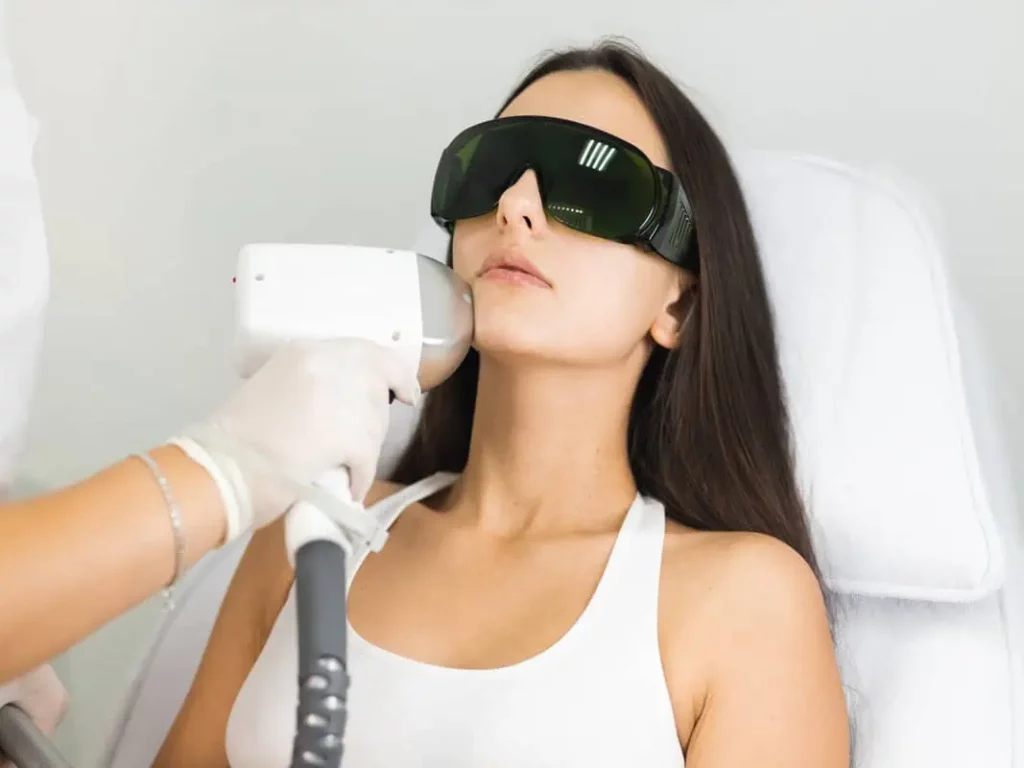
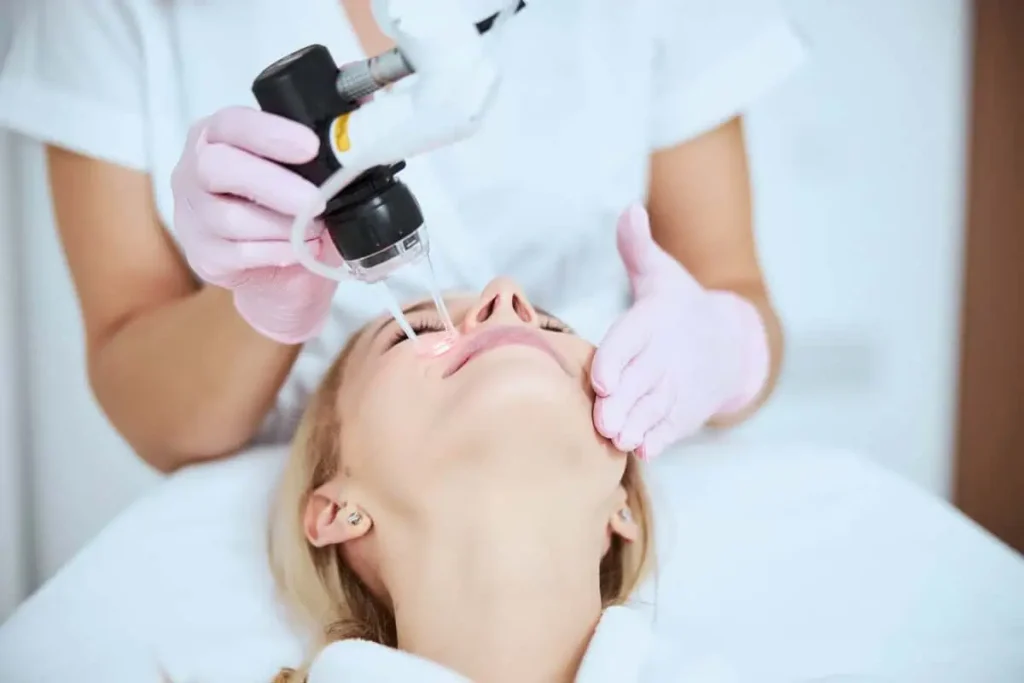
Fraxel Laser Treatment uses fractional laser technology. Instead of treating the entire skin surface at once, the laser creates microscopic treatment zones while leaving surrounding tissue intact. Those untreated areas help the skin heal more quickly while still encouraging collagen renewal.
Other laser treatments approach skin concerns differently.
Traditional resurfacing lasers, such as CO2, remove layers of damaged skin to address deeper wrinkles and significant texture changes. This explains why patients researching Fraxel vs. CO2 laser treatment often notice differences in intensity and recovery time.
Lighter laser treatments work differently. Devices like IPL target pigmentation and redness rather than resurfacing. When comparing Fraxel vs IPL, the difference usually comes down to the goal. Fraxel focuses more on texture and collagen stimulation, while IPL is commonly used for discoloration and visible blood vessels.
Because of these differences, the right laser often depends on the concern you want to improve and how much downtime you can manage.
What Fraxel Is Designed To Treat
Fraxel technology is often chosen when the goal is skin renewal without extended recovery. It stimulates collagen production beneath the surface while improving the appearance of existing damage.
Many patients seek laser treatments for acne scars, and Fraxel is frequently recommended in those cases. By targeting small zones beneath the skin, the laser encourages remodeling that can soften the appearance of scarring over time.
Fraxel is also commonly used for:
- Sun damage and uneven pigmentation
- Rough skin texture or enlarged pores
- Early signs of aging
- Laser treatment for fine lines and wrinkles
One reason patients ask about the benefits of the Fraxel laser is that it can address several concerns at once. Texture, tone, and fine lines often improve together as collagen production increases.
At Owensboro Dermatology, Fraxel treatments are used to support skin renewal while maintaining a balance between visible improvement and manageable recovery.
When Other Laser Treatments May Be A Better Option
Fraxel is versatile, but it is not the ideal option for every situation. In some cases, other laser technologies may be recommended depending on the skin concern.
For deeper wrinkles or more advanced skin aging, ablative resurfacing lasers such as CO2 may provide stronger resurfacing. This is one reason the discussion around Fraxel vs CO2 laser treatment comes up frequently during consultations.
Other examples include:
- Persistent redness or broken blood vessels that respond better to vascular lasers
- Widespread pigmentation concerns where IPL treatments are commonly used
- Situations where patients want very minimal recovery time
Comparing Fraxel vs IPL is common when discoloration is the main concern. IPL treatments can target pigmentation without resurfacing the skin, often resulting in minimal visible downtime.
These differences are why dermatology providers focus on the individual concern first rather than recommending the same laser for everyone.
Differences In Results And Timeline
Laser treatments improve the skin in different ways, which affects how quickly results appear.
Fraxel treatments tend to create gradual improvement. The laser stimulates collagen production beneath the skin, and those changes develop over several weeks as the body repairs and rebuilds tissue.
Patients often notice smoother texture and improved tone over time. Multiple sessions may be recommended depending on the concern being treated.
Other lasers can produce different timelines.
Deeper resurfacing lasers may create more dramatic changes in a single treatment, but they usually require longer healing. Lighter laser treatments often produce subtle improvements that build gradually with repeated sessions.
Understanding how the Fraxel laser works helps explain these differences. Because the treatment targets microscopic areas beneath the skin rather than removing large portions of the surface, improvement tends to appear progressively as the skin renews itself.
Differences In Downtime And Recovery
Recovery time is one of the biggest factors people consider when choosing a laser treatment.
After Fraxel Laser Treatment, most patients experience redness and mild swelling that can last a few days. Some light peeling may also occur as the skin renews itself. Many people return to normal activities fairly quickly, which is one reason Fraxel is widely used for resurfacing with moderate downtime.
CO2 resurfacing lasers typically require more recovery time. Healing can take one to two weeks, depending on the depth of treatment.
Lighter treatments, such as IPL, usually have minimal visible downtime. Patients may notice slight redness or darkening of pigment spots that fade as the skin clears.
Because of these differences, recovery expectations often influence which treatment patients choose. Some people prioritize stronger resurfacing results, while others prefer a treatment with shorter healing time.
Patients interested in resurfacing treatments can also learn more about options through the services offered at Owensboro Dermatology.
Choosing The Right Laser For Your Skin Goals
Laser treatments can improve skin tone, texture, and visible signs of aging, but the right option depends on the depth of the concern and how much downtime your routine can accommodate. Fraxel Laser Treatment is often chosen for acne scars, sun damage, uneven texture, and fine lines and wrinkles because it promotes gradual collagen renewal while keeping recovery manageable. If you are considering Fraxel Laser Treatment in Owensboro, KY, the team at Owensboro Dermatology can help determine which laser approach best matches your skin goals. Schedule Your Fraxel Laser Consultation to discuss your concerns and create a treatment plan that fits your skin. Contact Owensboro Dermatology to learn more about available services and how Fraxel and other laser treatments may support your skin goals.